Composed By-Barron Boesen
Imagine a future where you no longer have to rely on glasses or call lenses to see plainly. A future where vision adjustment is as simple as a fast, pain-free treatment.
Well, that future is closer than you may believe. Presenting refractive lens exchange, a revolutionary approach to fixing your vision that might transform the method you see the globe.
Yet what exactly is over here , and why is it took into consideration the future of vision improvement? In this discussion, we will check out the benefits, the procedure, and the possible threats of refractive lens exchange, giving you a look right into what exists in advance for those seeking clearer vision.
The Advantages of Refractive Lens Exchange
Refractive Lens Exchange uses various benefits for individuals looking for vision modification. By changing your natural lens with a synthetic intraocular lens, this treatment can fix a wide range of vision problems. Among the main benefits of refractive lens exchange is the enhancement in visual acuity. Whether you're nearsighted, farsighted, or have astigmatism, this treatment can substantially boost your capability to see clearly without counting on glasses or call lenses.
Additionally, refractive lens exchange can likewise prevent the progression of particular eye conditions, such as cataracts. This indicates that not just will you accomplish far better vision, but you'll also have actually a decreased risk of establishing cataracts in the future.
With refractive lens exchange, you can take pleasure in better vision and a better of life.
The Procedure for Refractive Lens Exchange
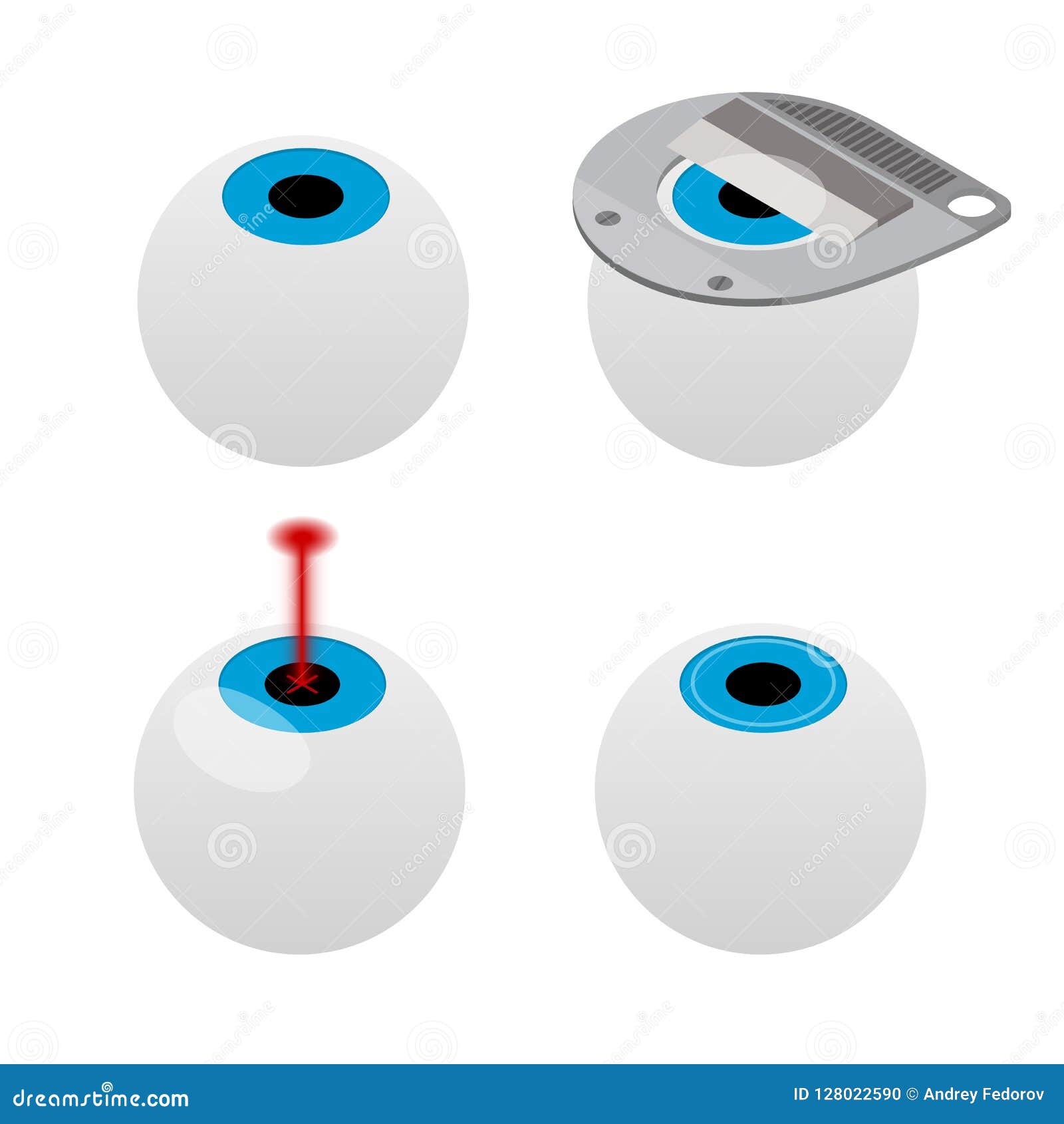
When undergoing refractive lens exchange, the doctor will start by making a tiny incision in your cornea. Cost For Lasik Eye Surgery allows them to access the lens of your eye and remove it.
Right here are five important steps associated with the procedure:
- The specialist will carefully separate the lens utilizing ultrasound waves or lasers.
- After eliminating the lens, they'll place a new synthetic lens, called an intraocular lens (IOL), into your eye.
- The IOL is created to fix your particular vision problems, such as nearsightedness, farsightedness, or astigmatism.
- Once the new lens is in place, the surgeon will certainly shut the laceration with little stitches or self-sealing techniques.
- The entire treatment generally takes less than half an hour and is usually performed on an outpatient basis.
Following these steps, refractive lens exchange can provide you with boosted vision and minimize your reliance on glasses or contact lenses.
Prospective Threats of Refractive Lens Exchange
Before undertaking refractive lens exchange, it is necessary to comprehend the potential dangers associated with the treatment. While refractive lens exchange is typically taken into consideration risk-free, like any kind of operation, there are dangers entailed.
One possible risk is infection, which can occur if germs goes into the eye during or after the surgical treatment. An additional danger is the advancement of boosted intraocular stress, which can cause glaucoma. Additionally, there's a small chance of experiencing corneal edema, which is the swelling of the cornea.
Other potential threats consist of retinal detachment, macular edema, and loss of vision. It's vital to review these threats with your specialist and consider them against the possible benefits prior to choosing.
Final thought
So there you have it, people! Refractive lens exchange is really the future of vision improvement. With its numerous benefits and advancements in innovation, this procedure supplies a life-changing remedy for those fighting with their vision.
But bear in mind, every increased has its thorns. While refractive lens exchange may bring clarity, it's important to be knowledgeable about the prospective threats included. So, prior to taking the leap, evaluate the advantages and disadvantages, and speak with your eye doctor.
Besides, much better risk-free than sorry!